
Silver Stitch
Rang-e-Aaina
Mirror work Blouses

Out of Stock
Sold Out
Mirror work BlousessangeetNavratriDiwalifestivefolk-fusion eventshigh-fashionSize: 36 · 2" margin
Rang-e-Aaina
Rang-e-Aaina hand-embroidered blouse — multicolour mirror & cut dana chevron work, sweetheart corset, beaded straps & lace-up dori back
"Every colour of the bazaar. Worn on one blouse."
$37.50Out of stock
This piece is currently sold out. Join the waitlist and we'll email you as soon as it's available again.
Need assistance?+91 9811654904
For customisation in any Color or size requests, please contact - ☎+91 9811654904
Curated For You
You May Also Love
8 pieces from the same collection

 FrontBack
Featured
Mirror work Blouses
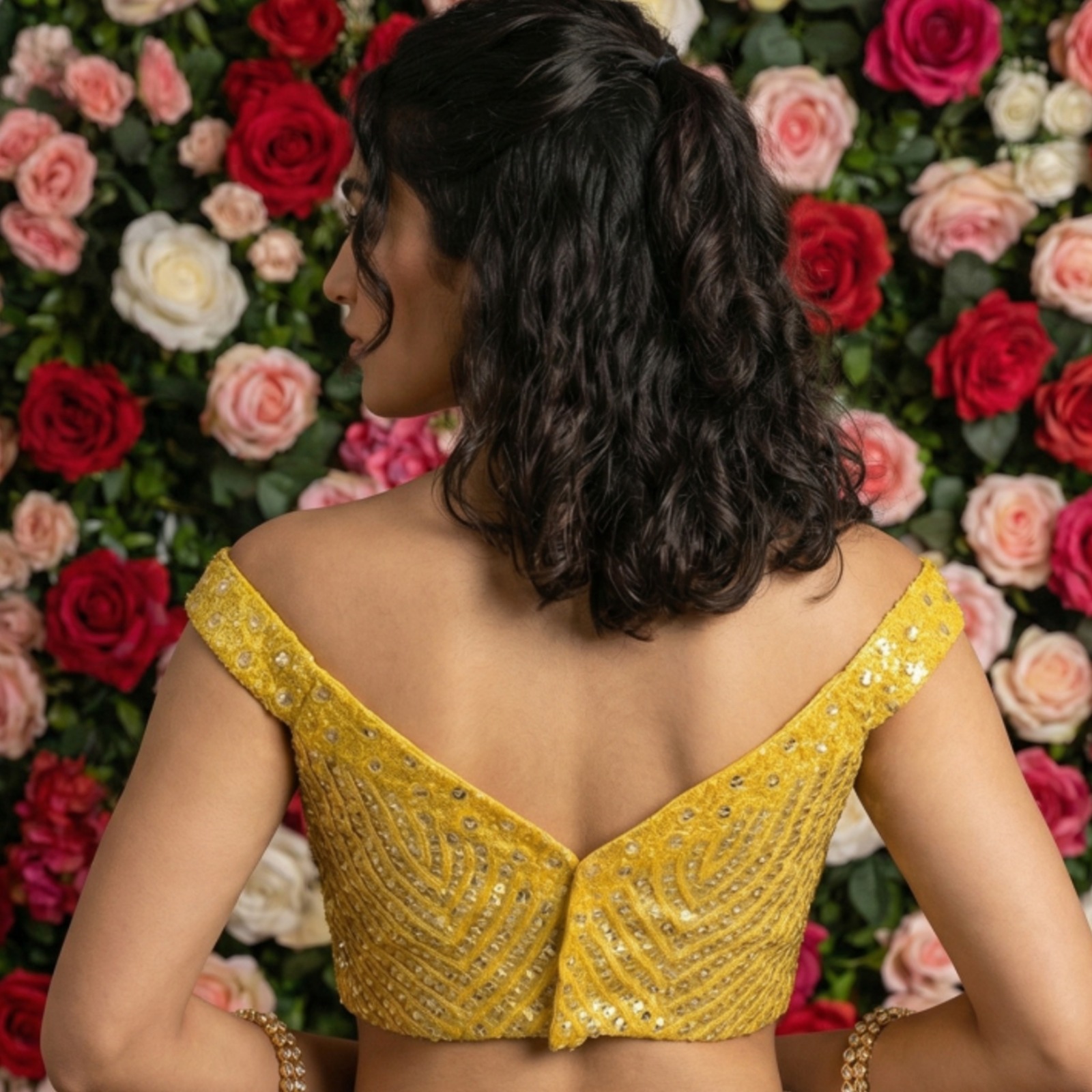
Sunlit Gleam
$46.88Party Wears, Wedding, Sangeet
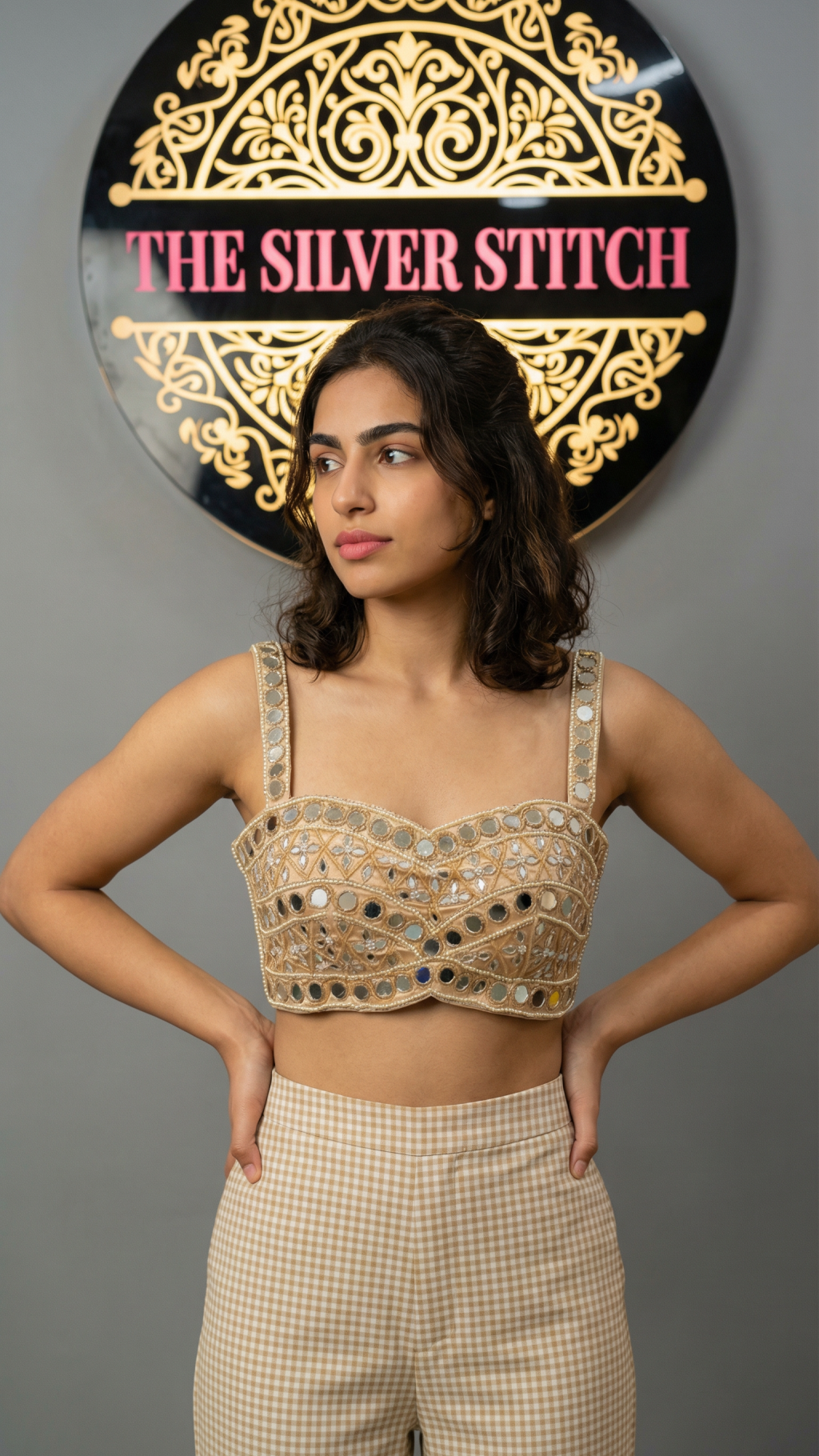
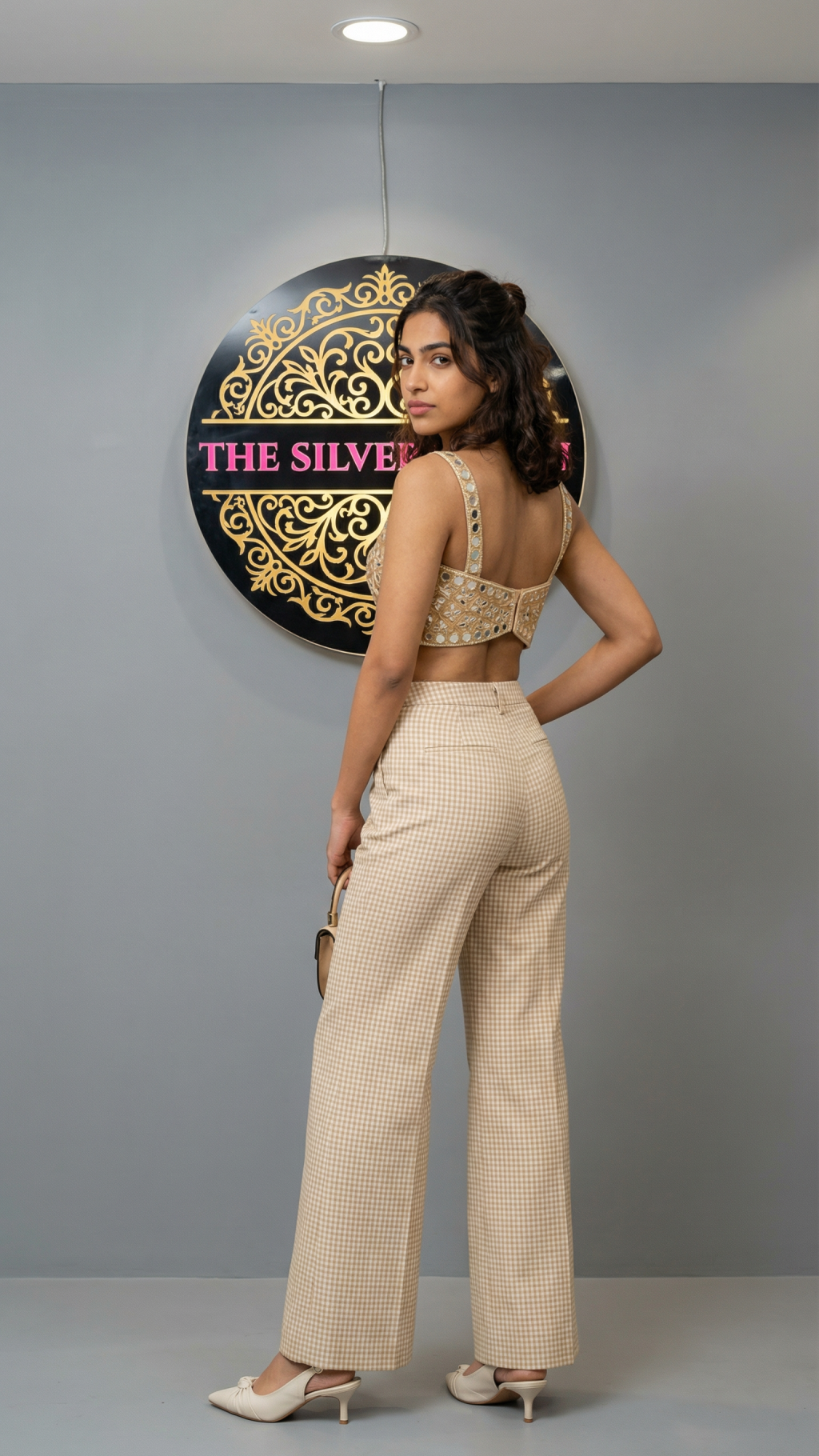 FrontBack
Mirror work Blouses
Gilded Reflection
$35.42Festive, Wedding, Haldi, Sangeet

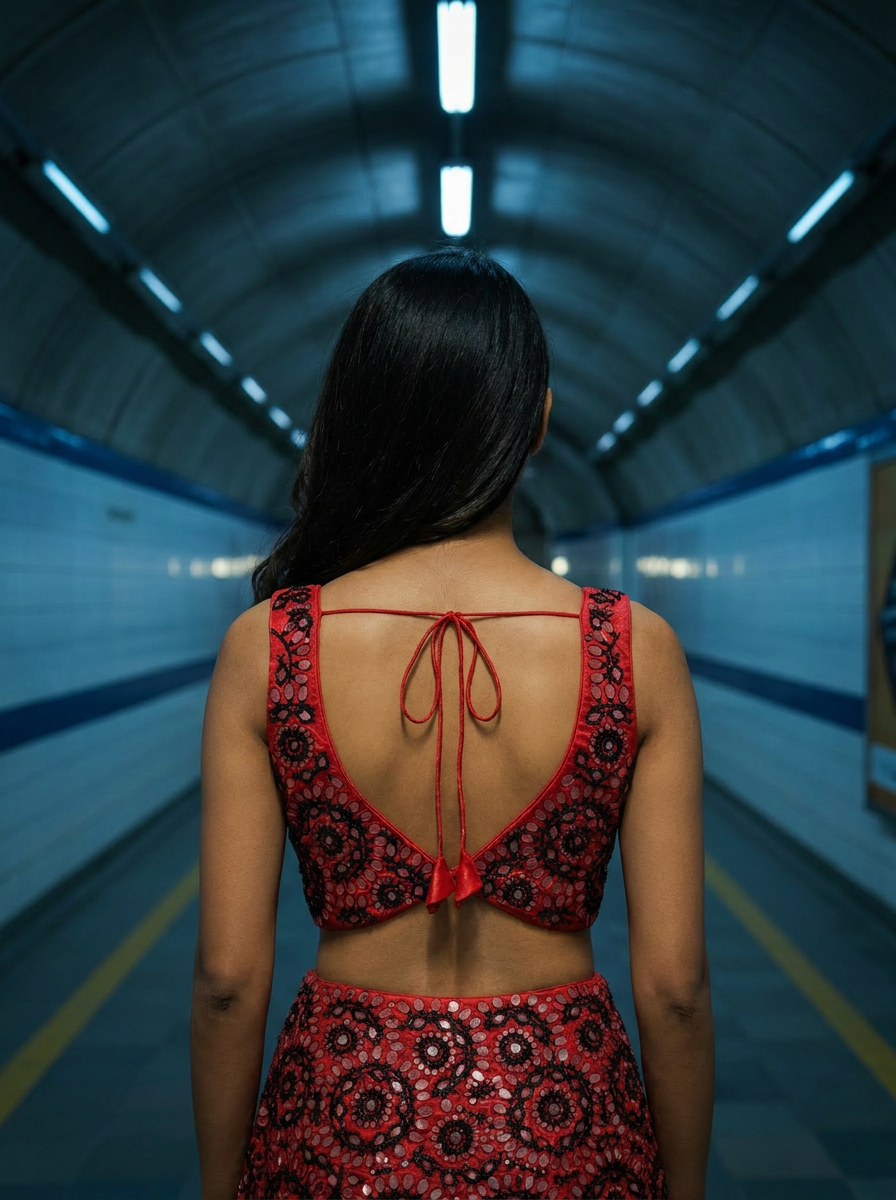 FrontBack
Mirror work Blouses
Darpan Mandala
$33.34Navratri, Garba, Sangeet, Reception, Festive party

 FrontBack
Mirror work Blouses
Kanchan Shisha
$33.34Reception, Sangeet, Wedding, Mehndi

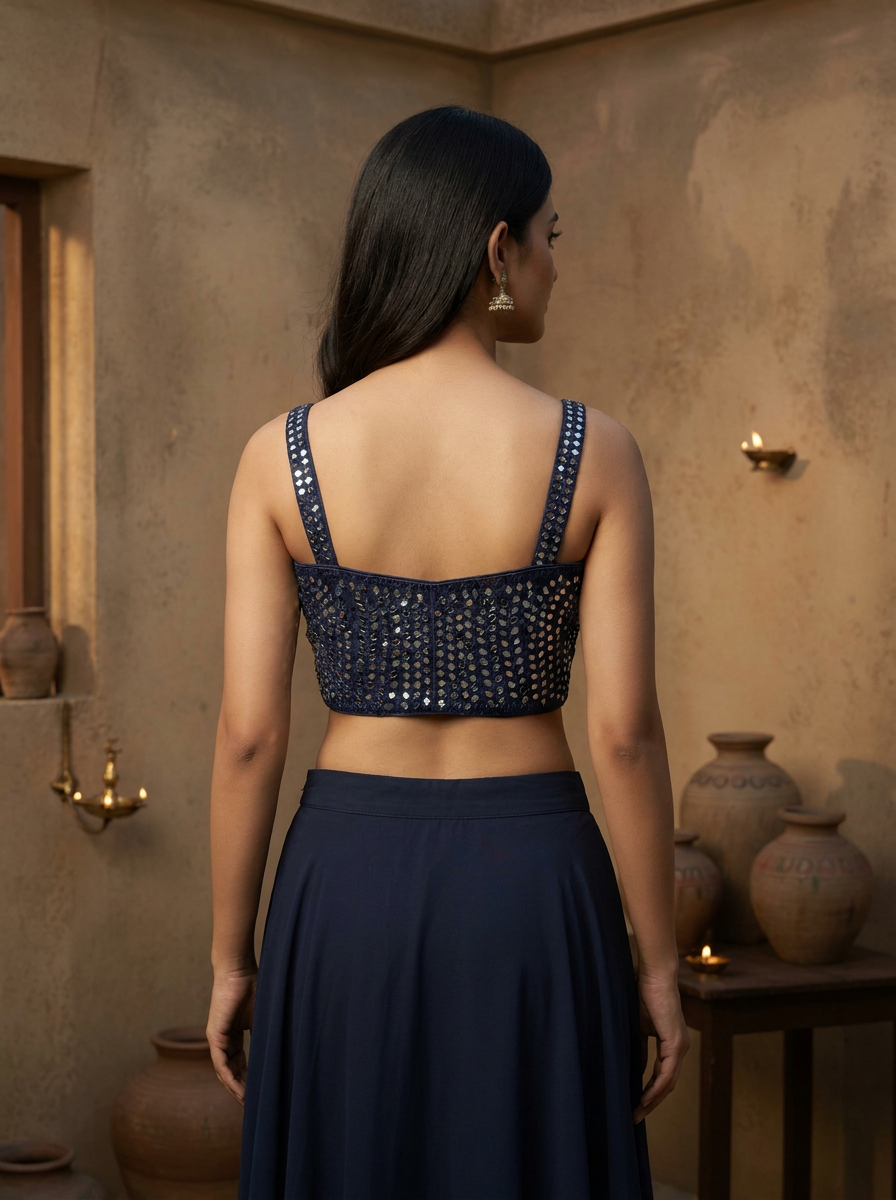 FrontBack
Mirror work Blouses
Neel Sitara
$33.34Navratri, Diwali, Sangeet, Festive party
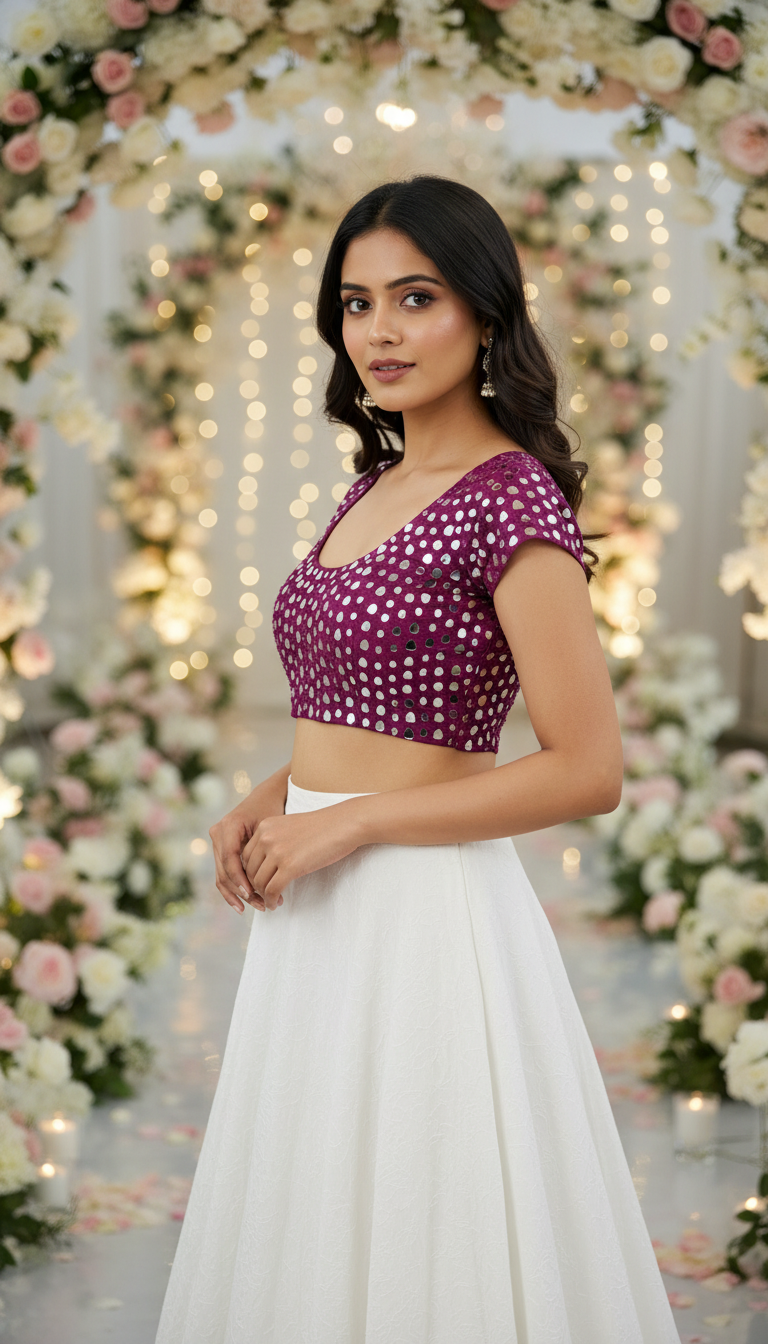
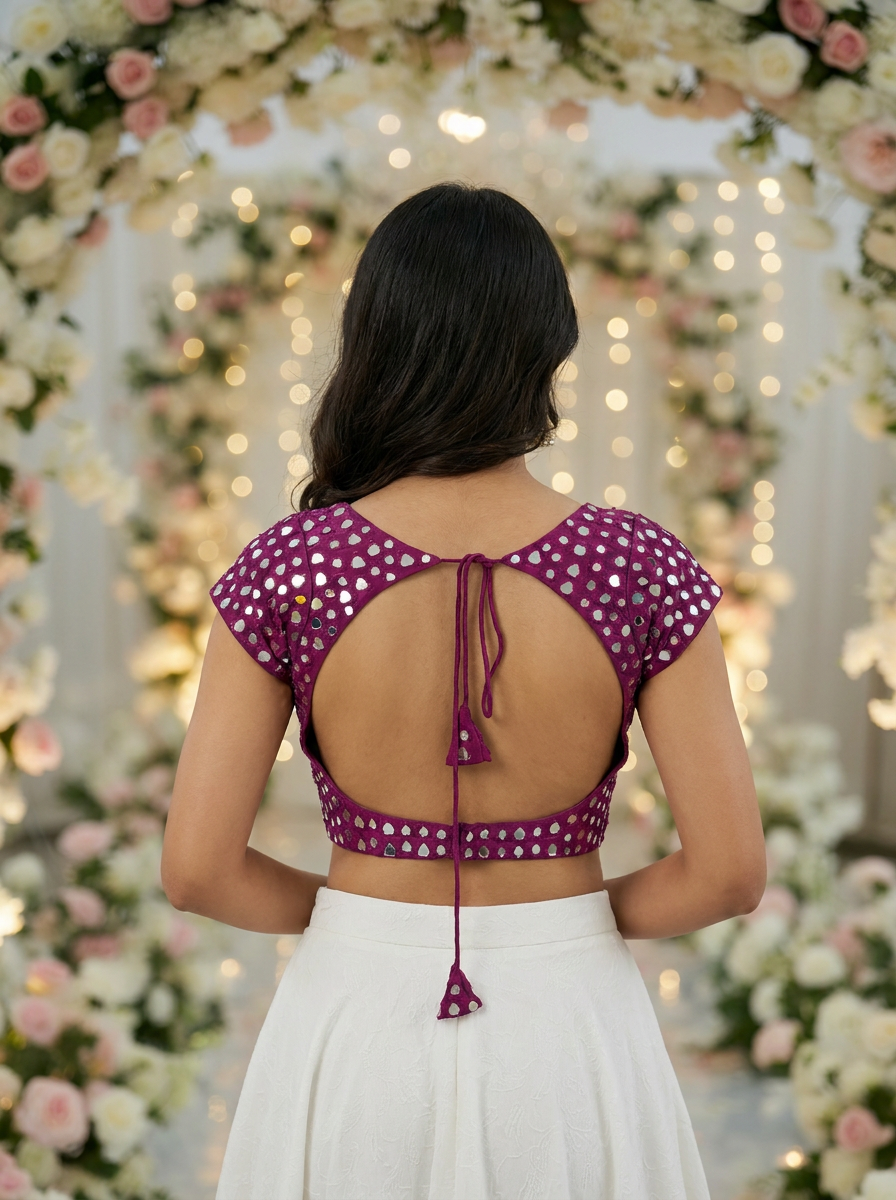 FrontBack
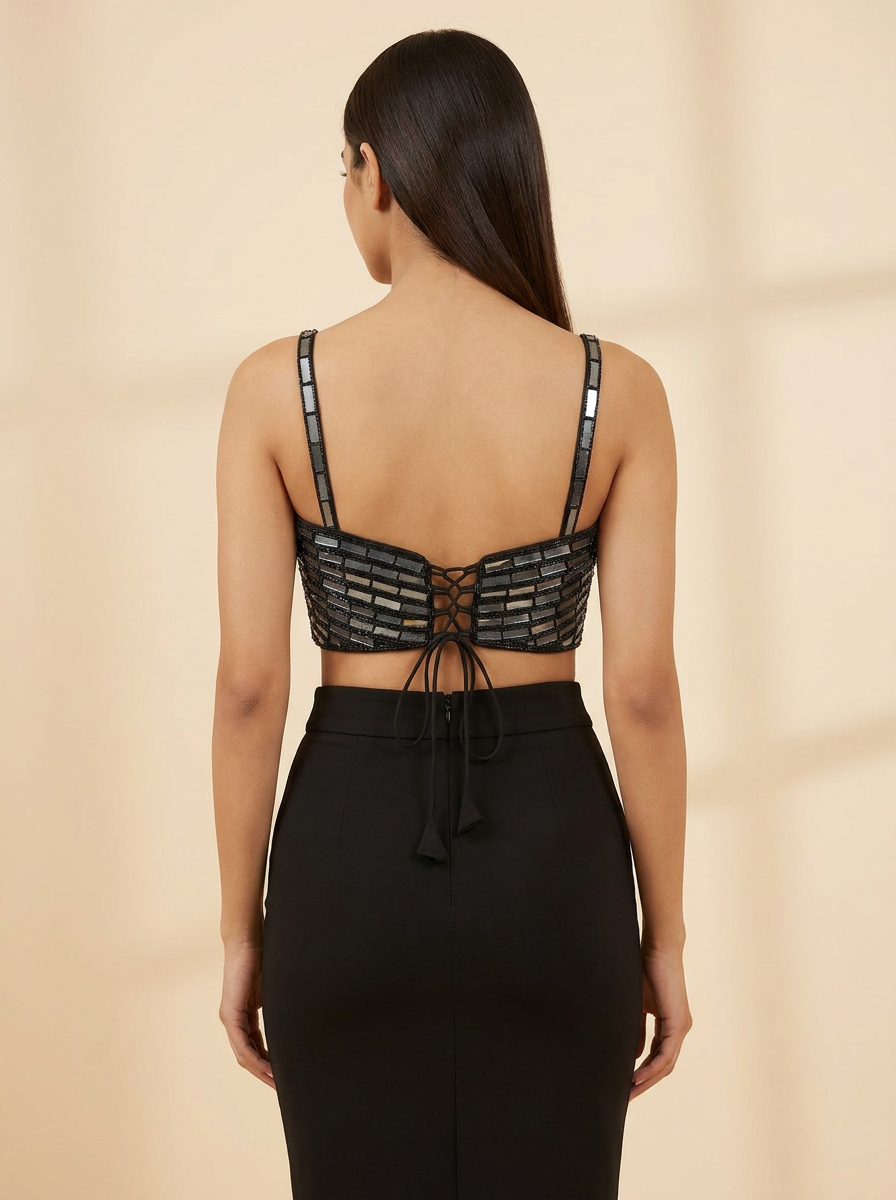
Mirror work Blouses
Gulnar Aaina
$36.46Sangeet, Navratri, Reception & Festive Wear
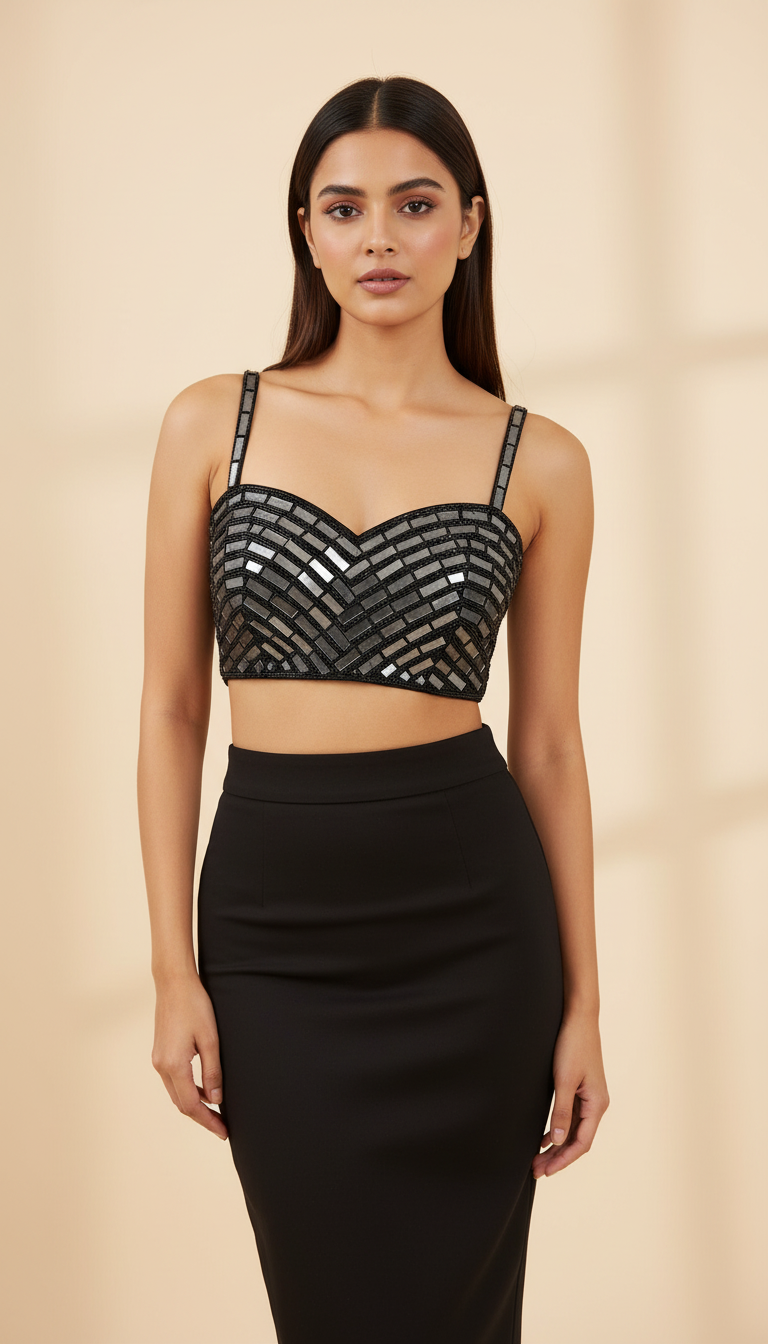
 FrontBack
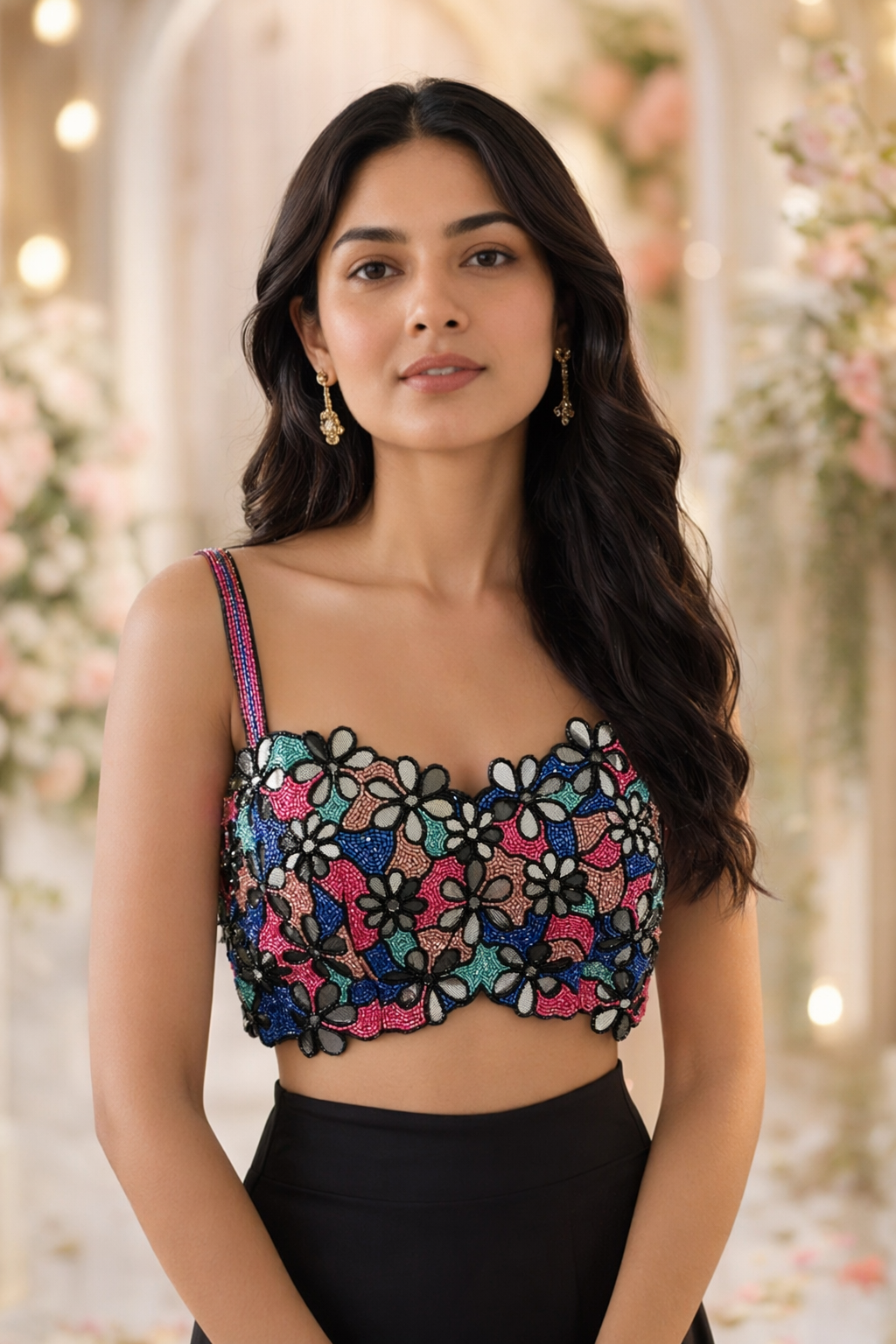
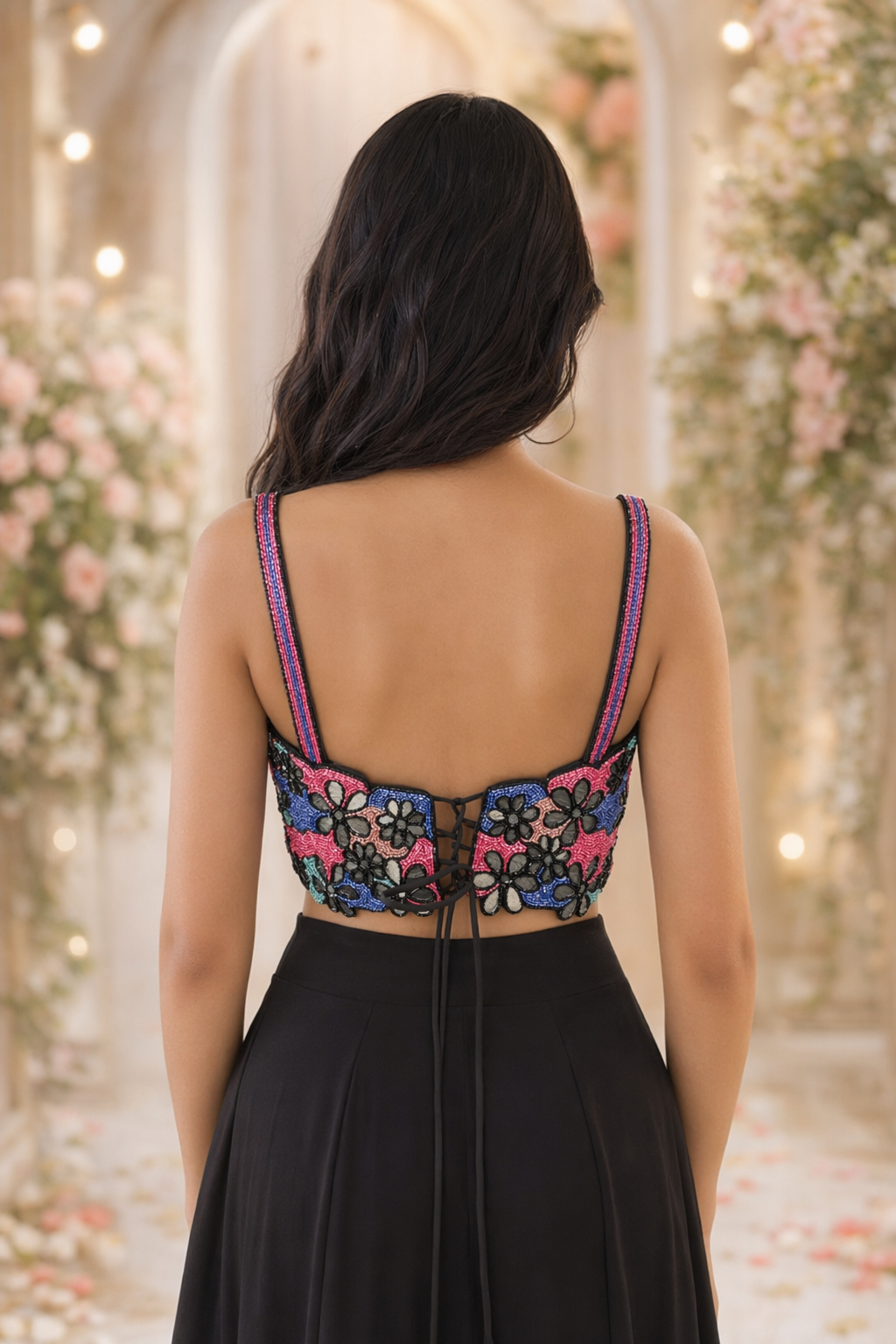
Mirror work Blouses
Teer Aaina
$37.50Cocktail, Reception, Sangeet, Indo-western
 FrontBack
Mirror work Blouses
Gulshan-e-Aaina
$46.88sangeet, mehendi,, Navratri, Diwali, festive brunches
Browse all collections
Discover More
Explore Collections
6 pieces shown · scroll to discover more

 FrontBack
Party Wear
The Latte Halter Top
$16.67Day-to-night dressing, brunches,, dinners, minimal festive events, cocktail evenings

 FrontBack
Pearl Work
Durr-e-Sabah
$25.00wedding, receptions, engagement, mehendi, festive brunches, pre-wedding shoots
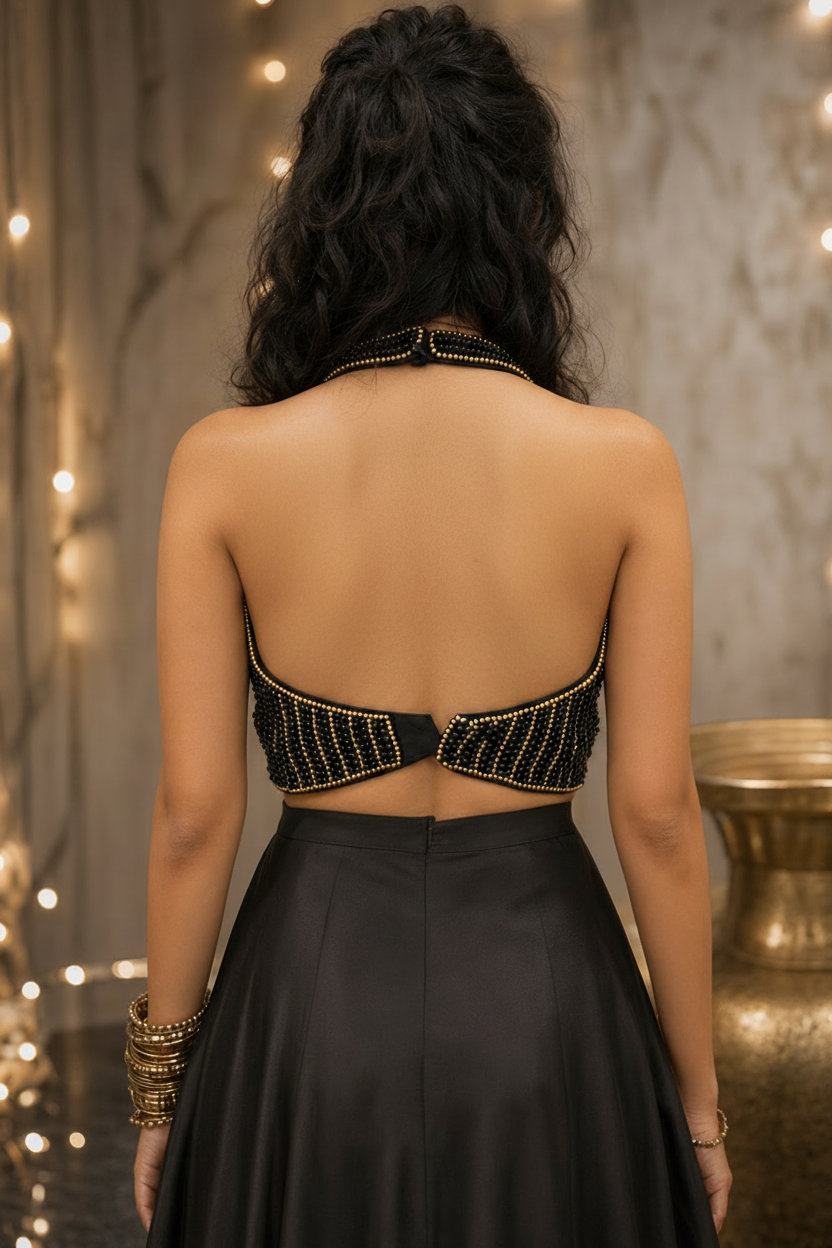
FrontBackMirror work Blouses
Darpan Mandala
$33.34Navratri, Garba, Sangeet, Reception, Festive party

 FrontBack
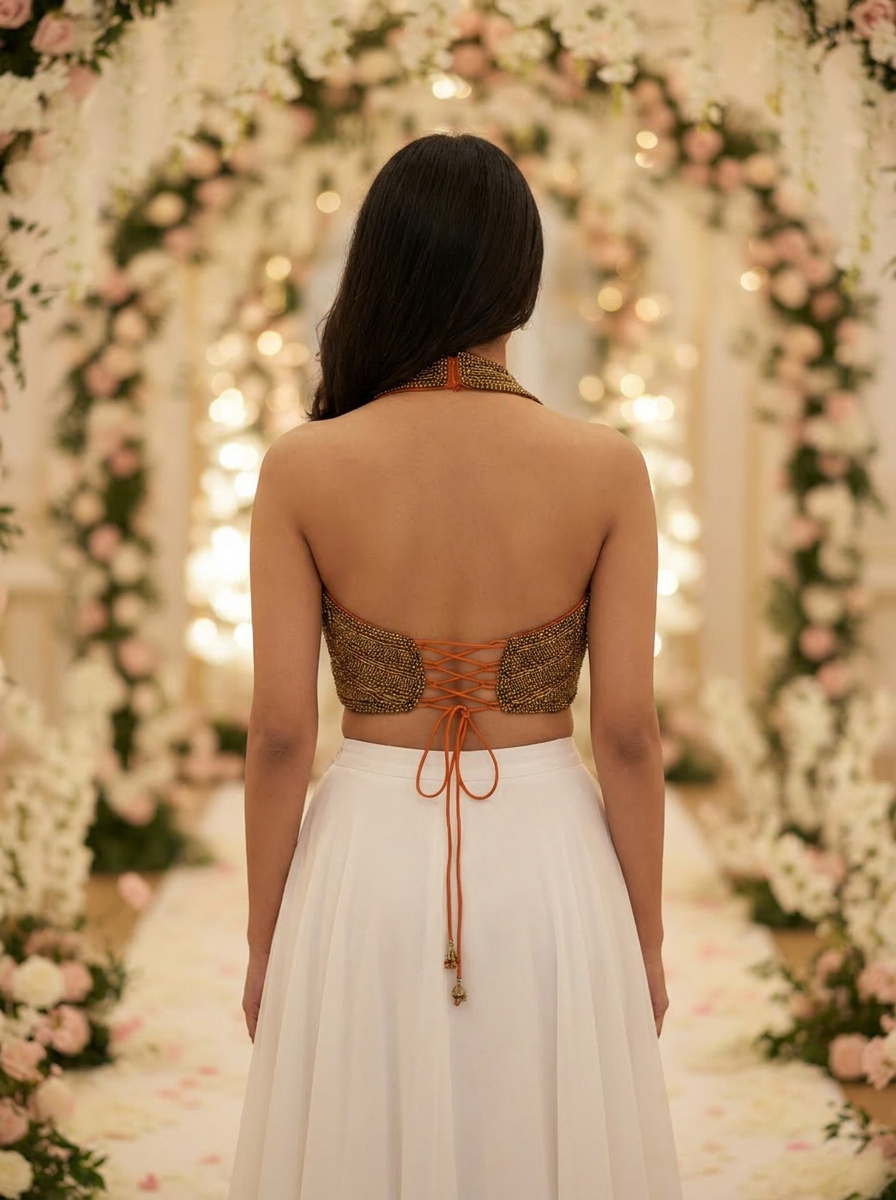
Pearl Work
Shab-o-Zar
$25.00sangeet,, receptions, cocktail, Diwali parties, New Year

 FrontBack
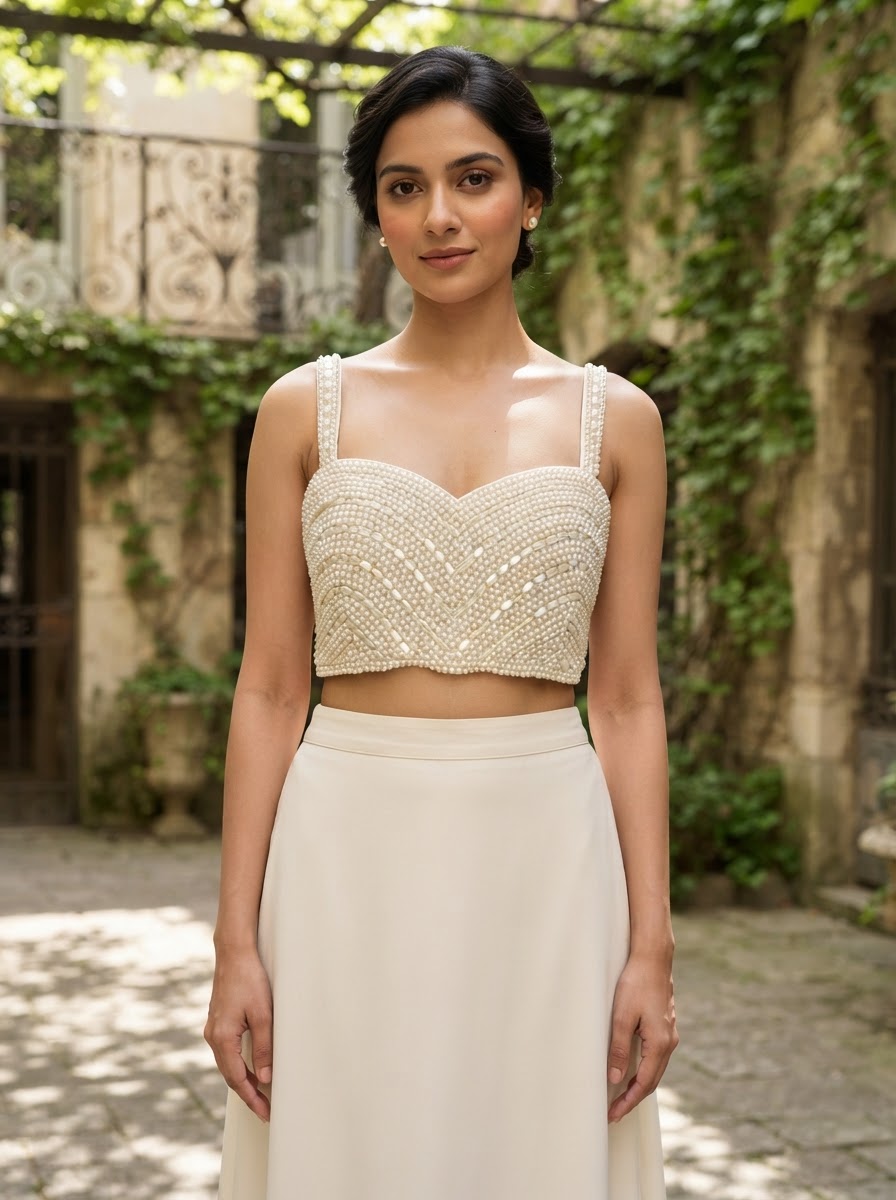
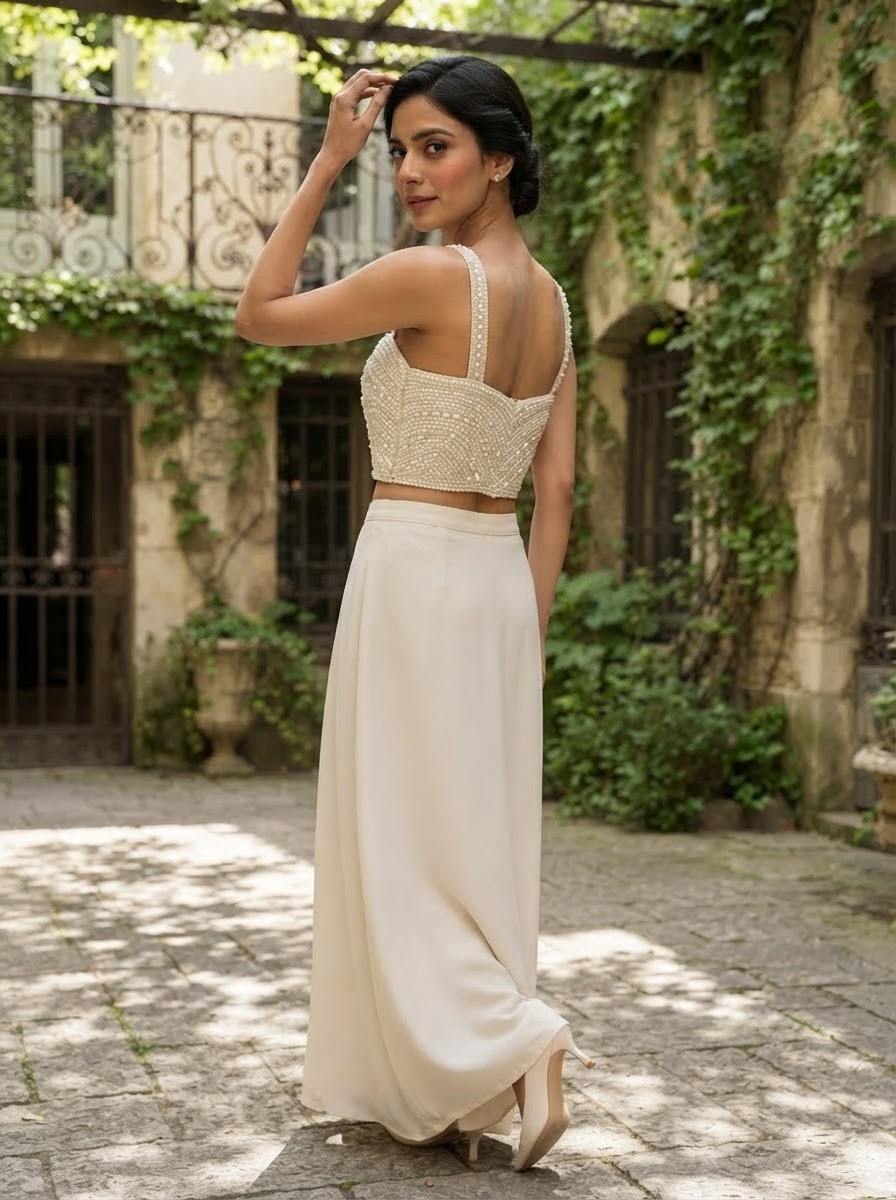
Pearl Work
Taamra Pearl
$25.00Bridal, Reception, Sangeet, Wedding mandap function
 FrontBack
Pearl Work
The Pearl Ripple Blouse
$22.92Mehendis, engagements, destination weddings, daytime celebrations, festive evening events